
Industrial Gas Detector Sensors and Automation Devices
This product line article helps buyers understand how gas detector sensors fit into wider automation and monitoring portfolios for industrial safety projects.
Read ArticleSWIOTT SS6-1004-0830SI Methane Gas Transmitter
SWIOTT supplies the SS6-1004-0830SI for procurement teams that need a fixed CH4 methane sensor with RS485 communication and Modbus RTU integration. The model is built for industrial gas detection projects where methane concentration data must be sent reliably to controllers, monitoring cabinets, or IoT gateways.
For teams studying the gas sensor market, this page summarizes the model's procurement profile, visible specification items, integration points, and application fit. Buyers comparing gas sensor manufacturers can use it to prepare sample evaluation, distributor review, and project documentation before contacting SWIOTT for final configuration details.
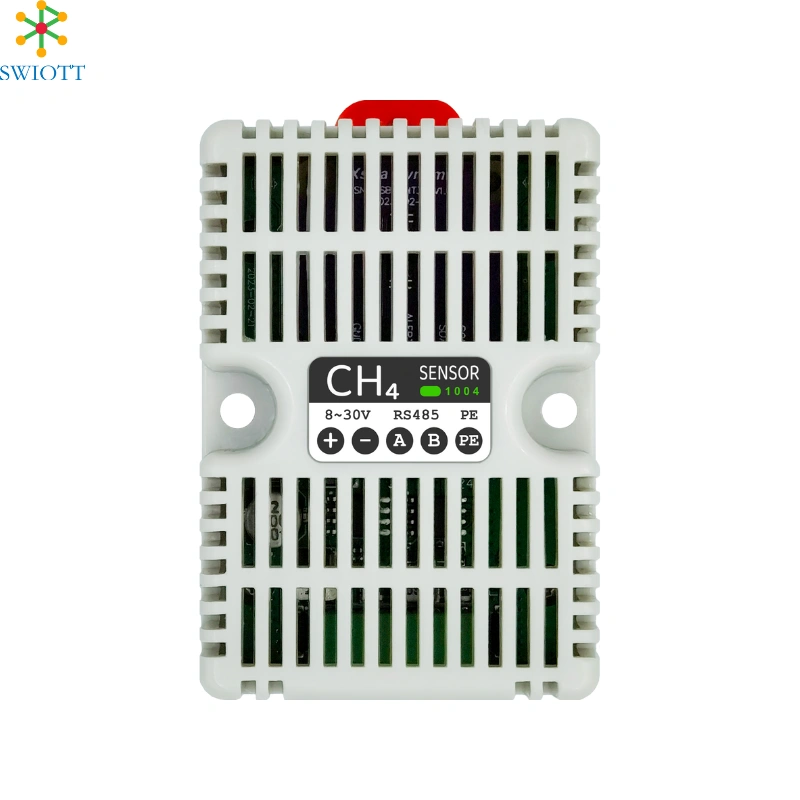
Review the product view, application description, and procurement specifications for an RS485 methane transmitter used in industrial CH4 monitoring programs.
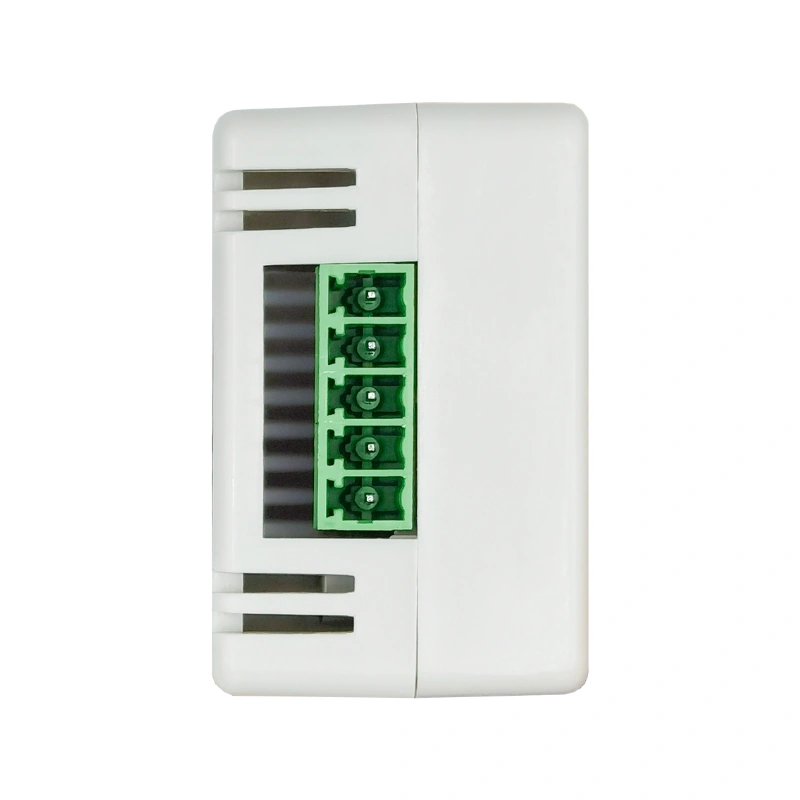
The SS6-1004-0830SI is a fixed methane gas transmitter for projects that need CH4 monitoring, RS485 data communication, and Modbus RTU compatibility. Its compact body, bracket mounting format, and industrial communication output make it suitable for equipment rooms, process areas, storage points, tunnel-related monitoring, and other sites where methane leakage needs continuous observation through a connected control system.
| Product Model | SS6-1004-0830SI |
|---|---|
| Gas Type | CH4 methane |
| Product Category | Industrial gas transmitter and methane sensor |
| Communication | RS485, Modbus RTU |
| Power Supply | 9-36Vdc |
| Size | 65 x 46 x 258 mm |
| Housing Material | ABS |
| Installation | Bracket mounting |
| Detection Range | Confirm according to methane monitoring project requirements |
| Typical Use | Industrial safety monitoring, process control, environmental sensing, and gas leakage observation |
RS485 and Modbus RTU support help integrators connect methane data to control cabinets, gateways, and monitoring platforms without redesigning the whole site architecture.
The clear model code, visible product structure, and practical specification profile help distributors prepare sample checks, product listings, and customer-facing technical files.
The fixed transmitter format suits methane monitoring points in industrial facilities, energy operations, storage areas, and automation projects that require stable sensor placement.
These SWIOTT articles support procurement review by covering gas detector product lines, methane sensor comparison points, and IoT methane monitoring context.
This product line article helps buyers understand how gas detector sensors fit into wider automation and monitoring portfolios for industrial safety projects.
Read ArticleThis methane comparison topic is useful when engineering teams need to review sensor output, control integration, application conditions, and project selection factors.
Read ArticleThis article gives procurement teams a broader view of methane monitoring in connected industrial systems, including sensing, data flow, and application planning.
Read ArticleRepresentative buyer feedback for industrial methane sensor sourcing, sample approval, and system integration review.
Five-star rating
Our review focused on RS485 communication, cabinet wiring, and sensor placement for an industrial monitoring upgrade. The model information was clear enough for sample approval and integration discussion.
Five-star rating
We needed a methane sensor option for customers asking about Modbus RTU output and fixed installation. The product format fits distributor catalog work and technical pre-sales review.
Five-star rating
The RS485 methane transmitter profile matched the way our team evaluates sensors for monitoring panels. We checked power input, communication details, mounting, and documentation before the next sourcing step.
Technical questions buyers often review before sourcing a CH4 transmitter for industrial monitoring and automation projects.
The SS6-1004-0830SI is suited for industrial CH4 monitoring projects that need RS485 communication, Modbus RTU data output, and fixed-point gas transmitter installation. Common evaluation scenarios include plant safety upgrades, oil and gas areas, chemical storage points, coal-related sites, and environmental monitoring stations where methane concentration data must be sent to a controller or monitoring platform.
Buyers should confirm the required CH4 range, alarm logic, output unit, calibration approach, installation height, and gas exposure conditions with SWIOTT before batch procurement. If the same project includes multiple gas types, the purchasing team should also confirm model coding and labeling so warehouse and installation teams can separate methane units from other gas sensors.
The product page identifies RS485 and Modbus RTU communication, which is commonly selected for PLC, gateway, data logger, and monitoring cabinet integration. Engineering teams should confirm register mapping, baud rate, wiring distance, shielding practice, and power supply design during sample testing.
Before installation, review mounting bracket requirements, cable routing, power input, site temperature and humidity, enclosure exposure, airflow conditions, and maintenance access. Methane behavior and ventilation conditions should guide the final mounting position, so procurement teams should align the sensor selection with the project engineer's site plan.
Distributors normally need a product specification sheet, communication protocol details, packing information, model number confirmation, product images, test procedure notes, and labeling requirements. For system integration, a wiring guide and Modbus register information are especially useful during the first sample evaluation.
Compare the gas type, measuring range, response behavior, communication output, supply voltage, enclosure material, size, mounting method, calibration support, and expected operating environment. For multi-site projects, batch consistency, documentation, export packing, and technical communication are also important selection factors.
