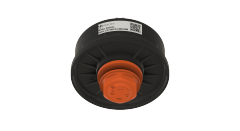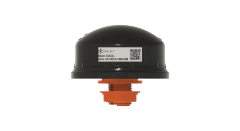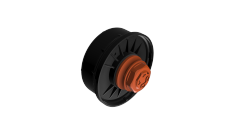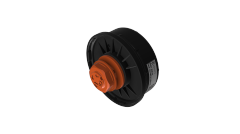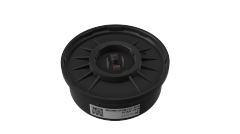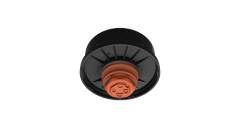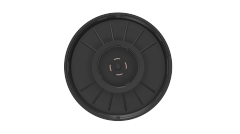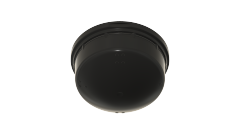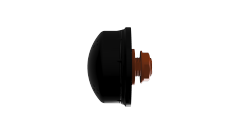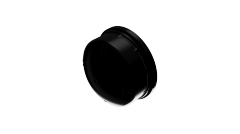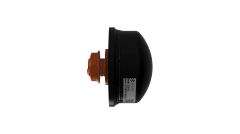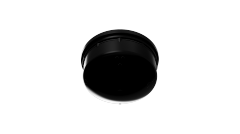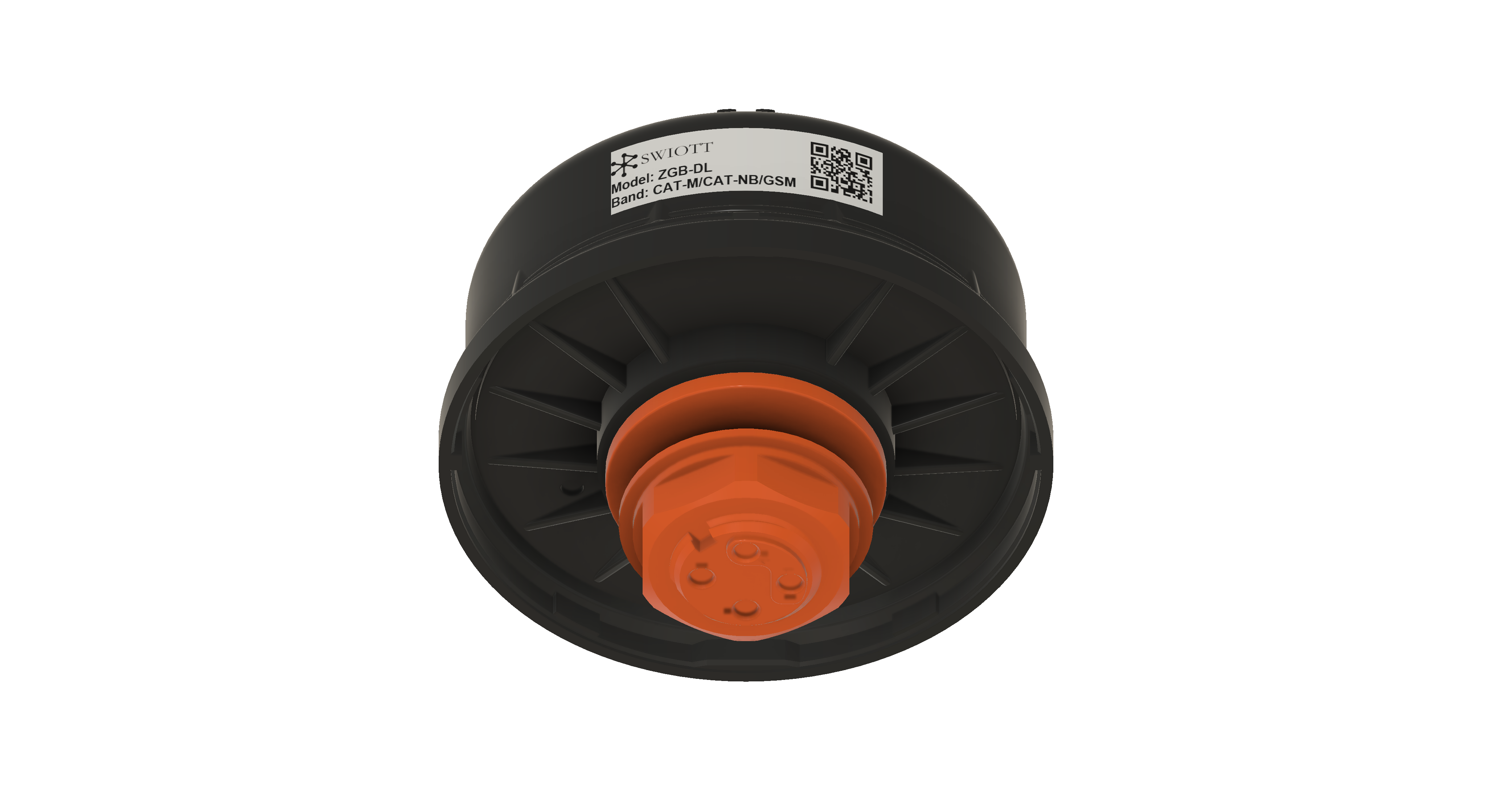
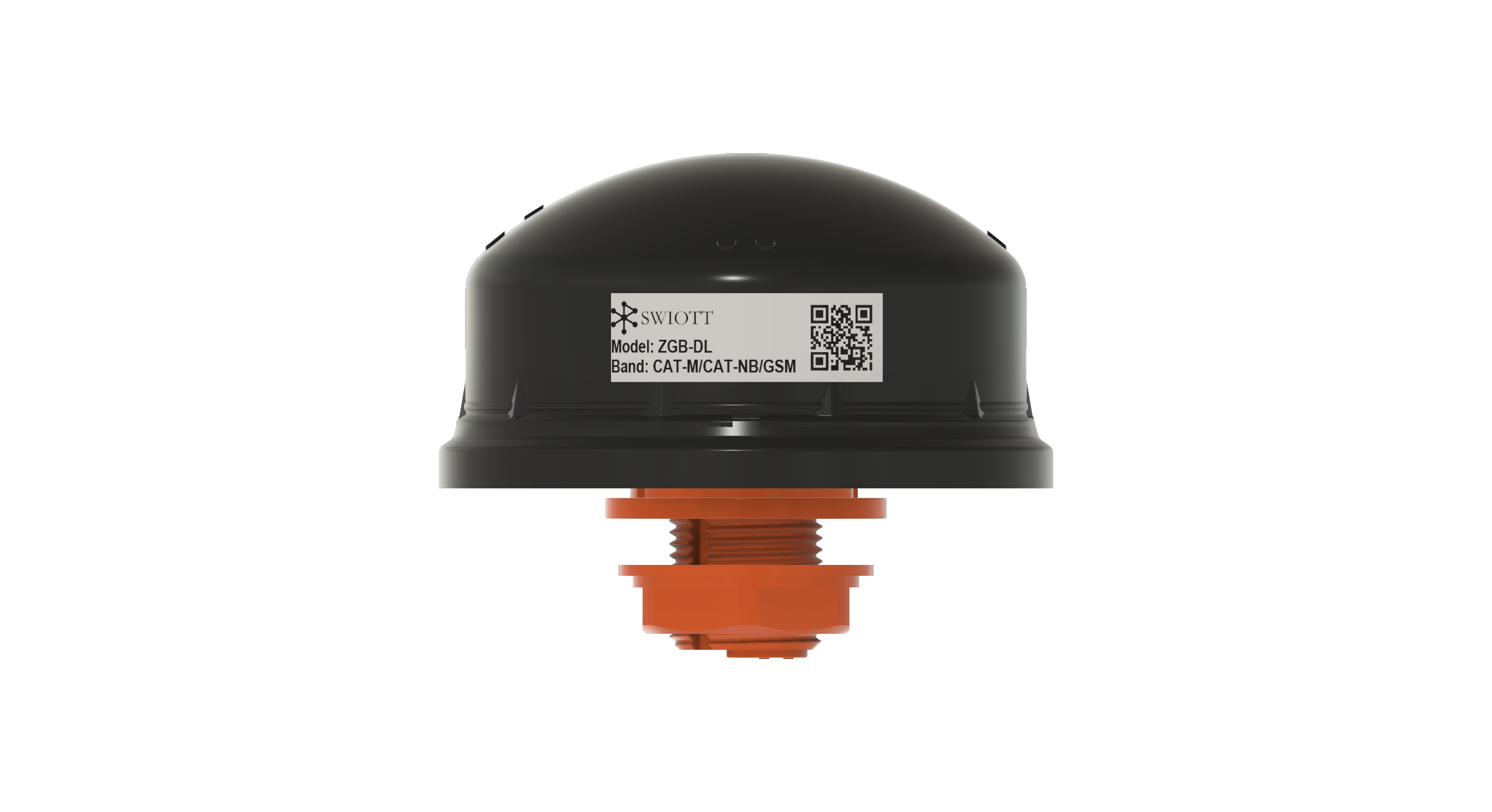
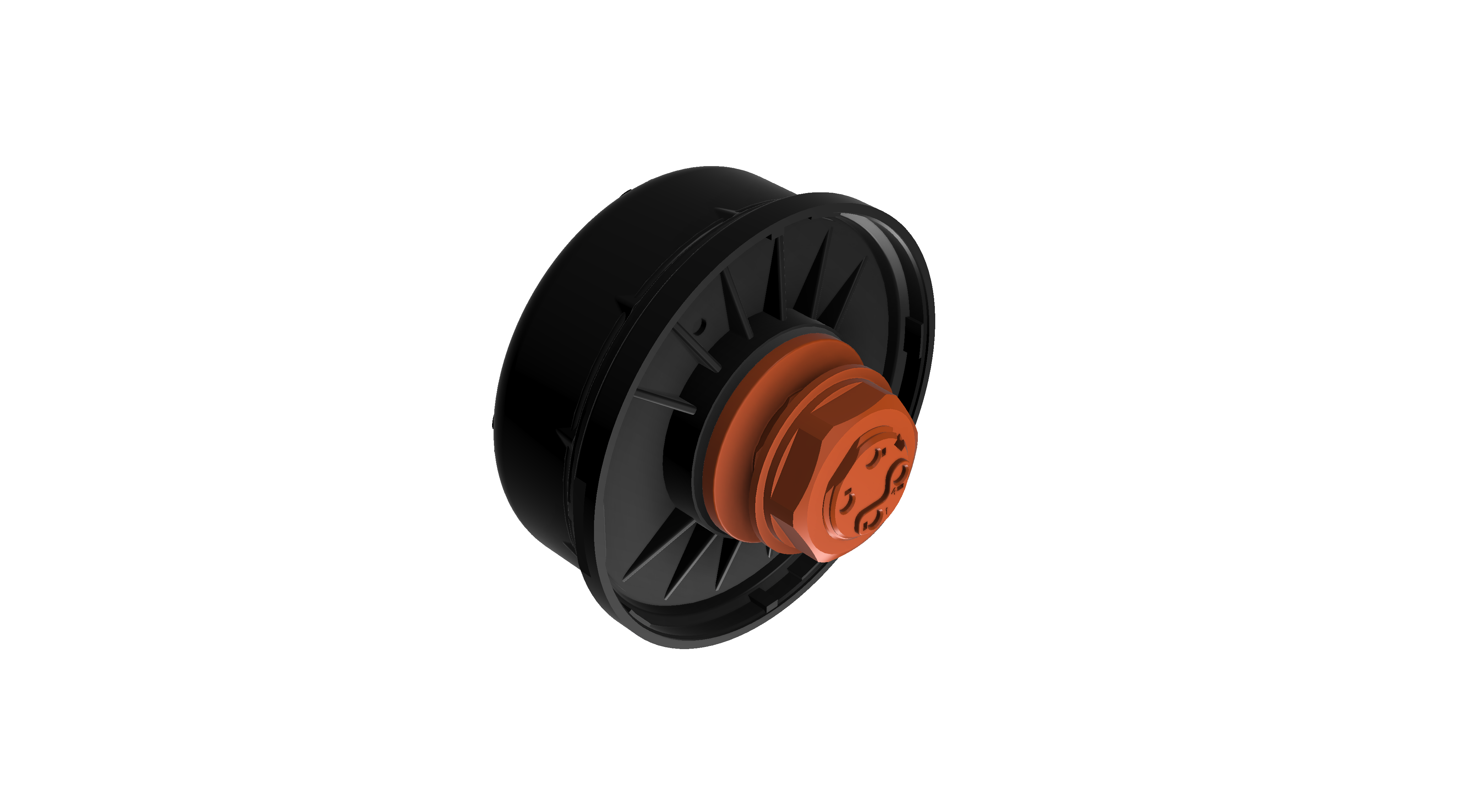
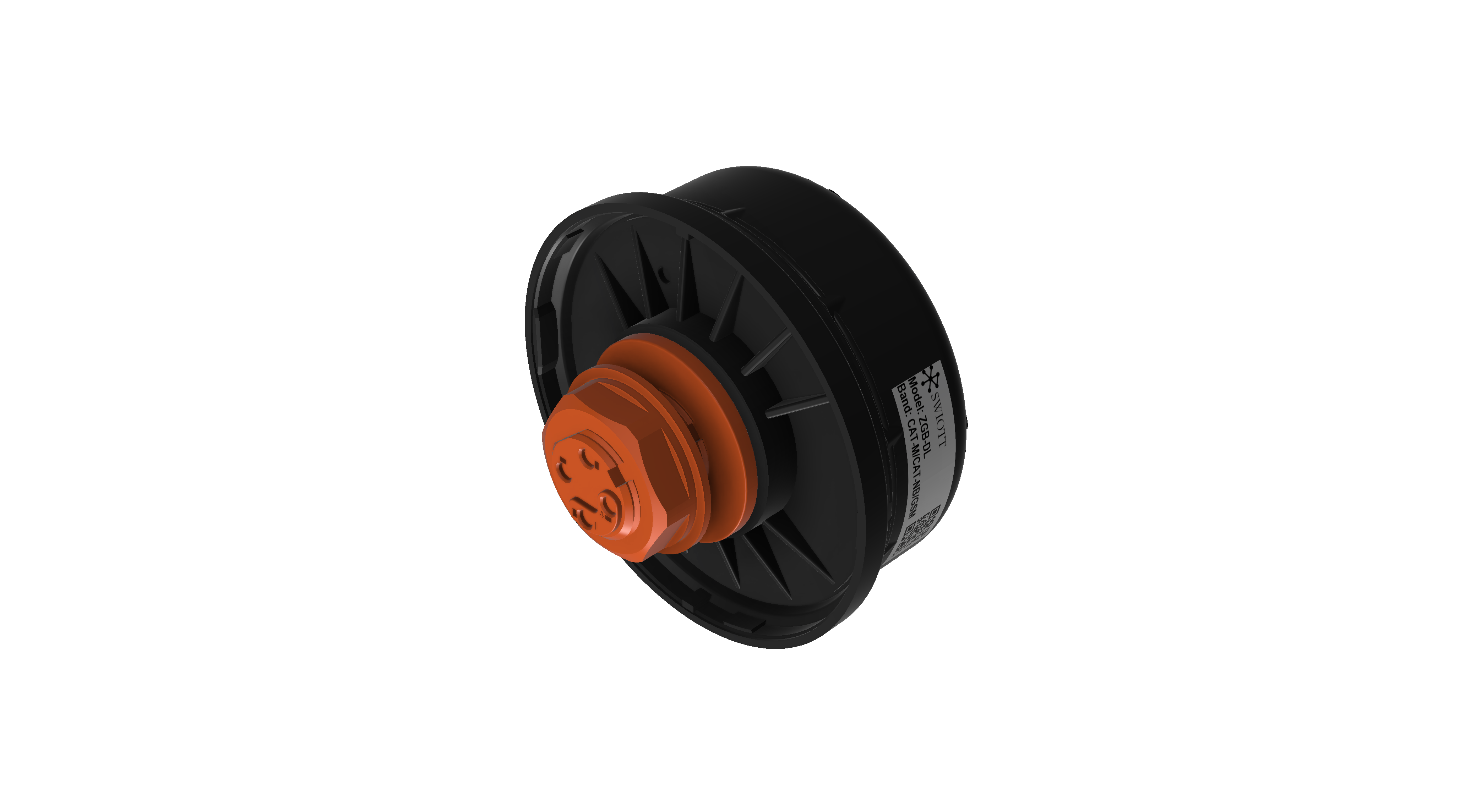
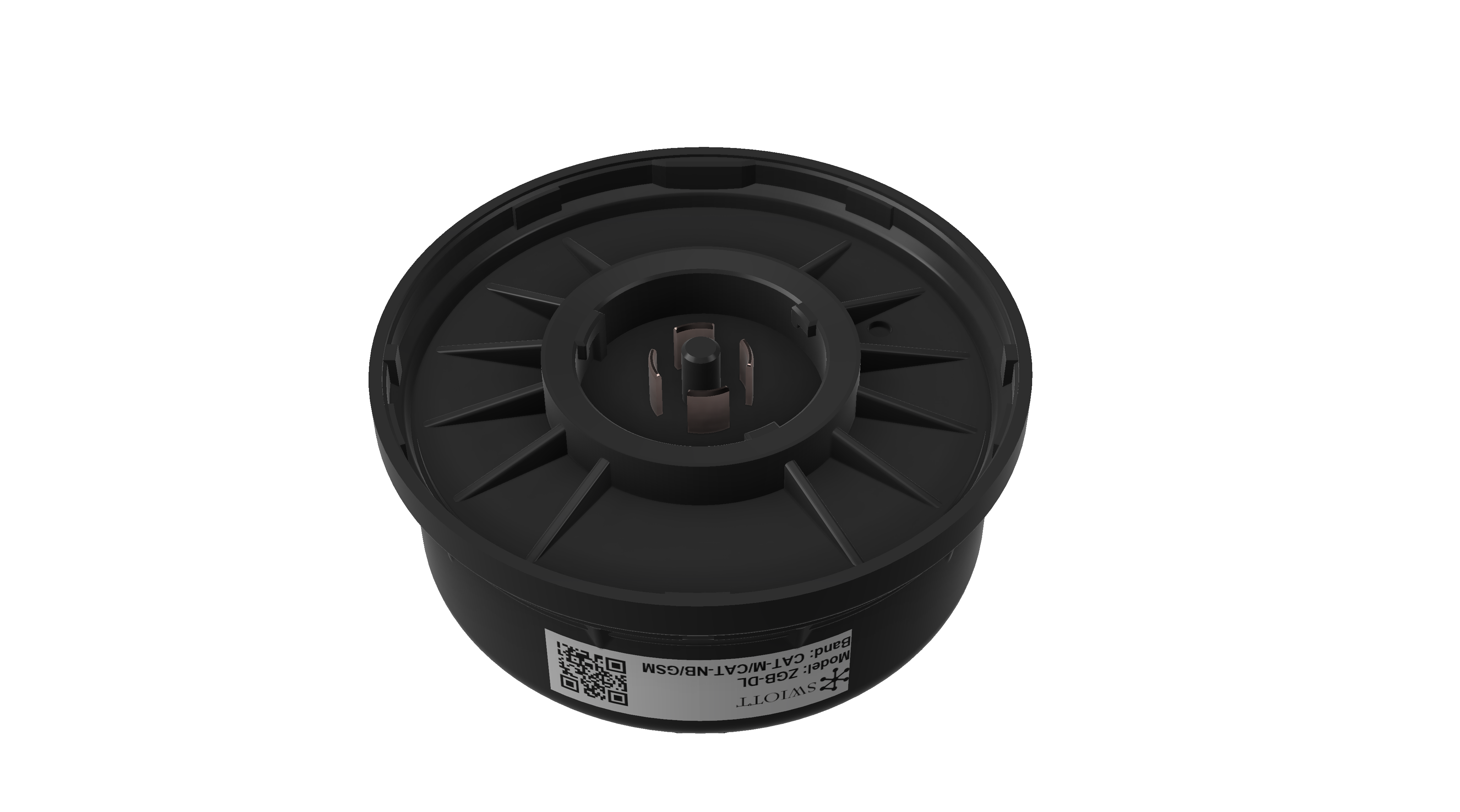
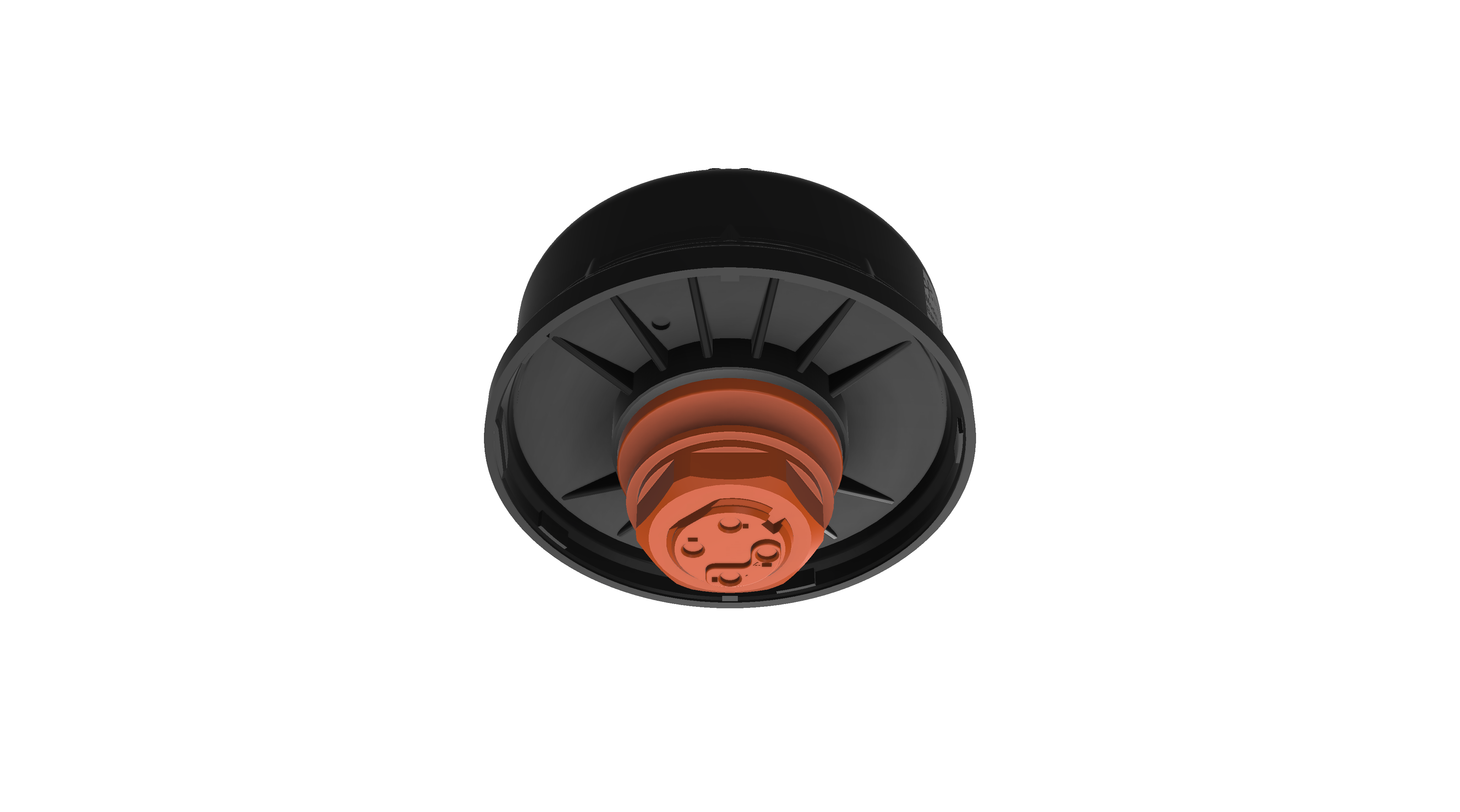
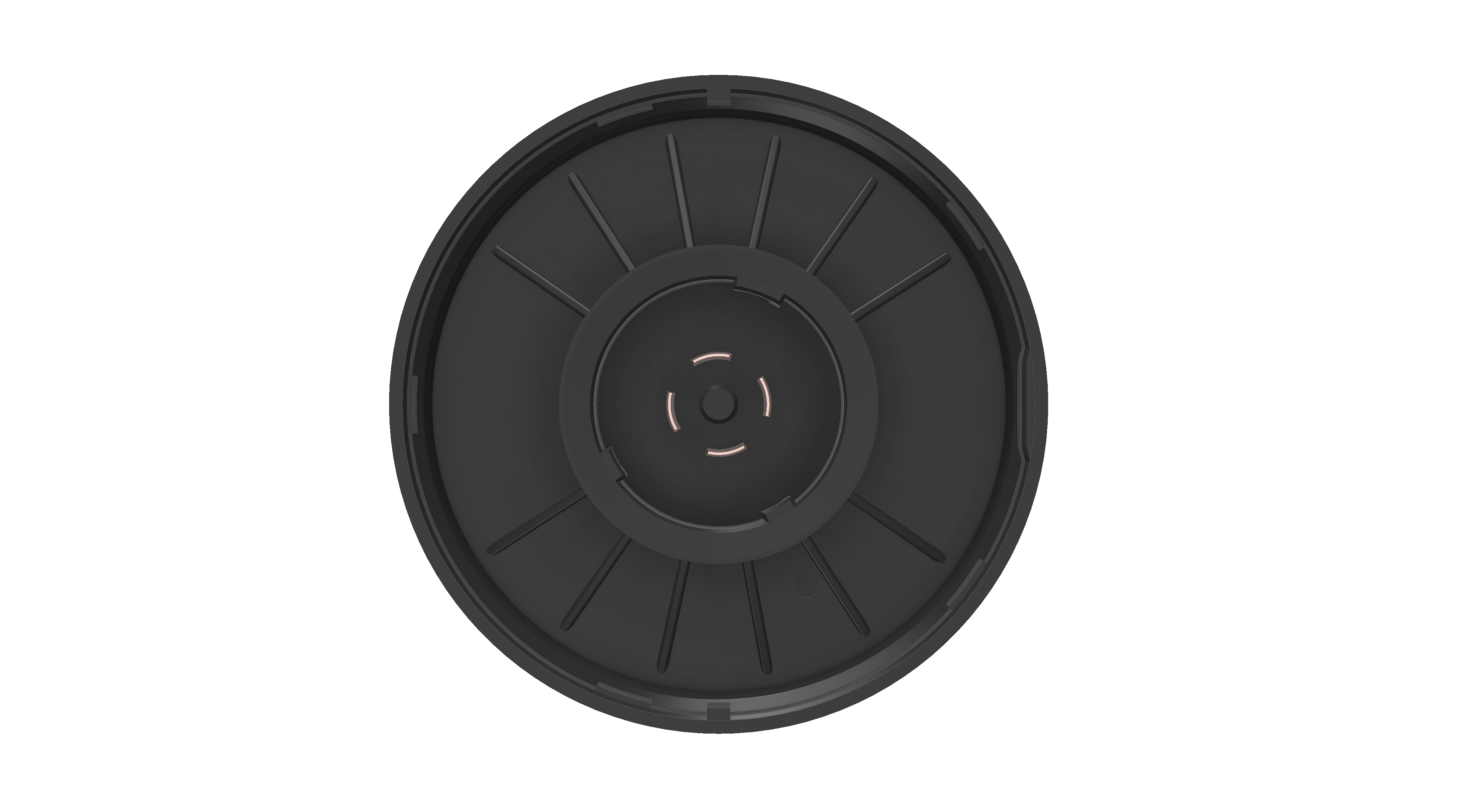

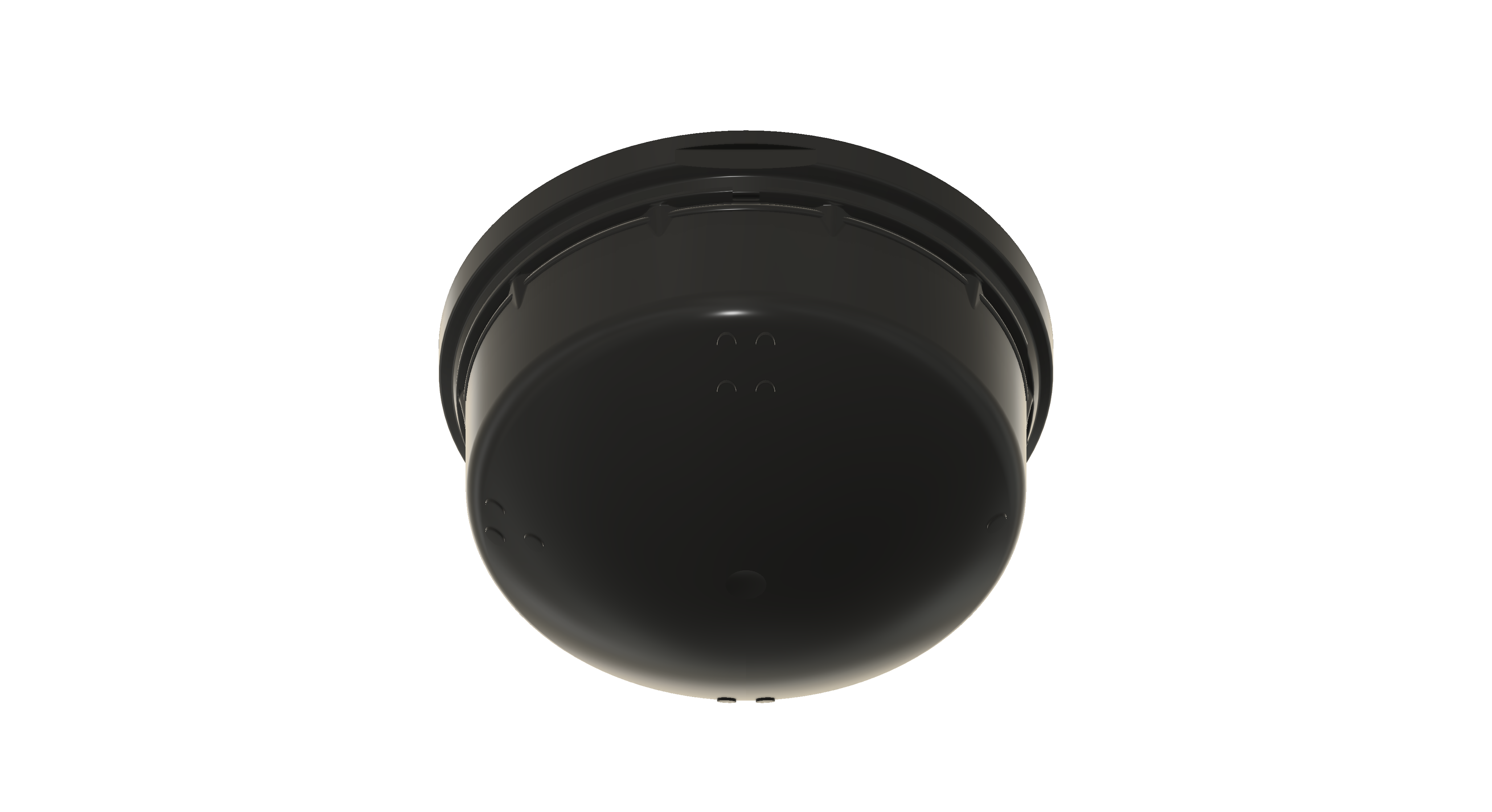
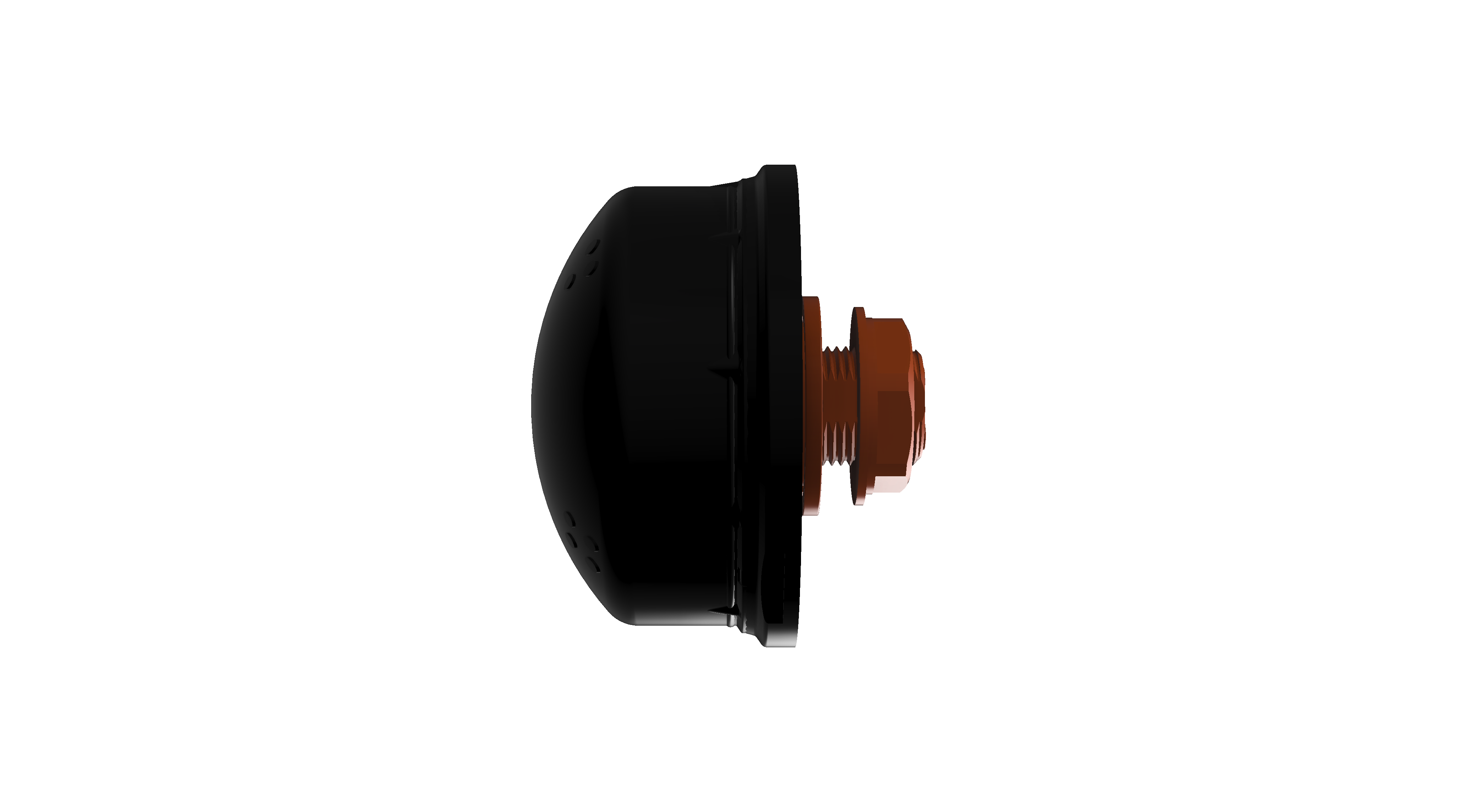
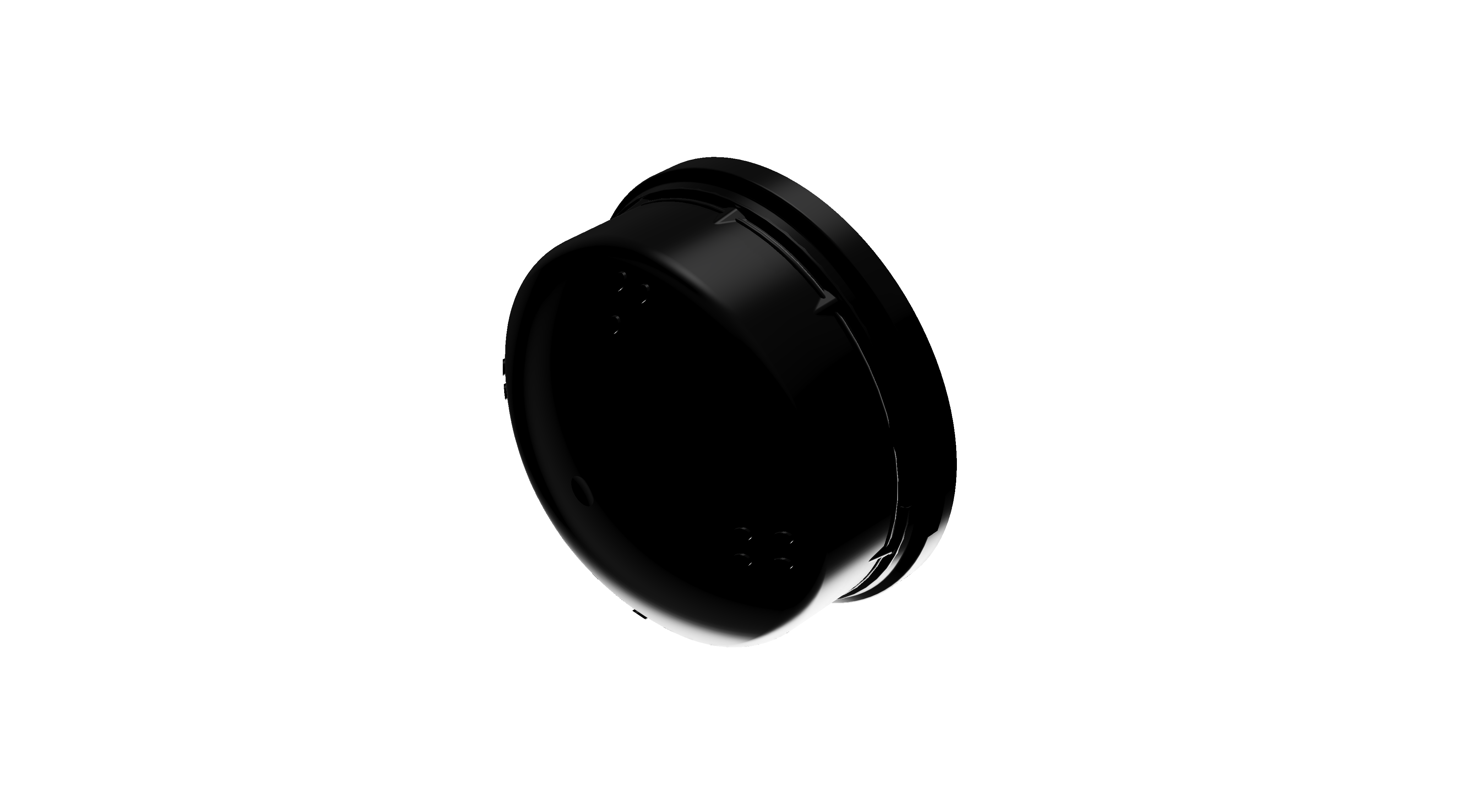
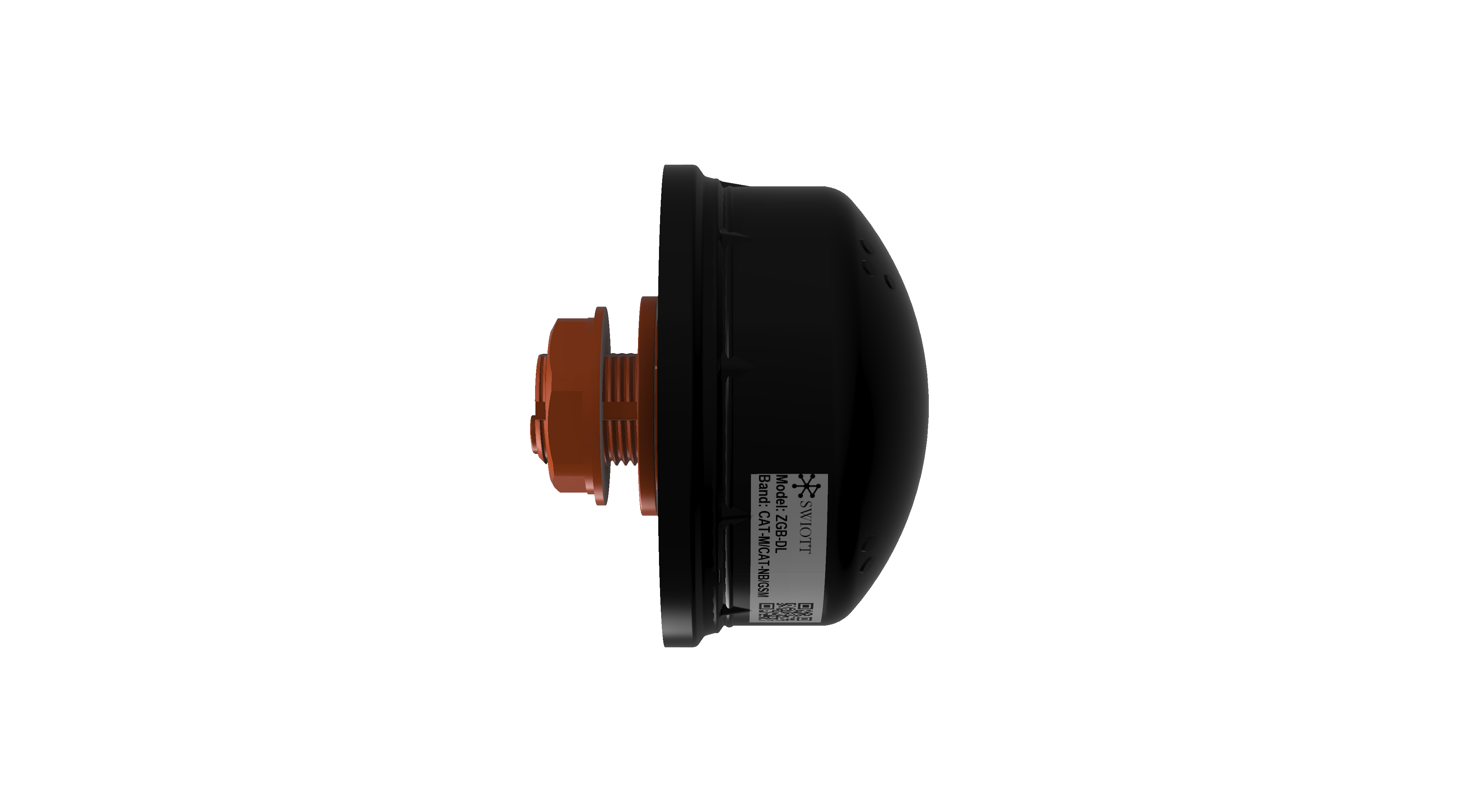
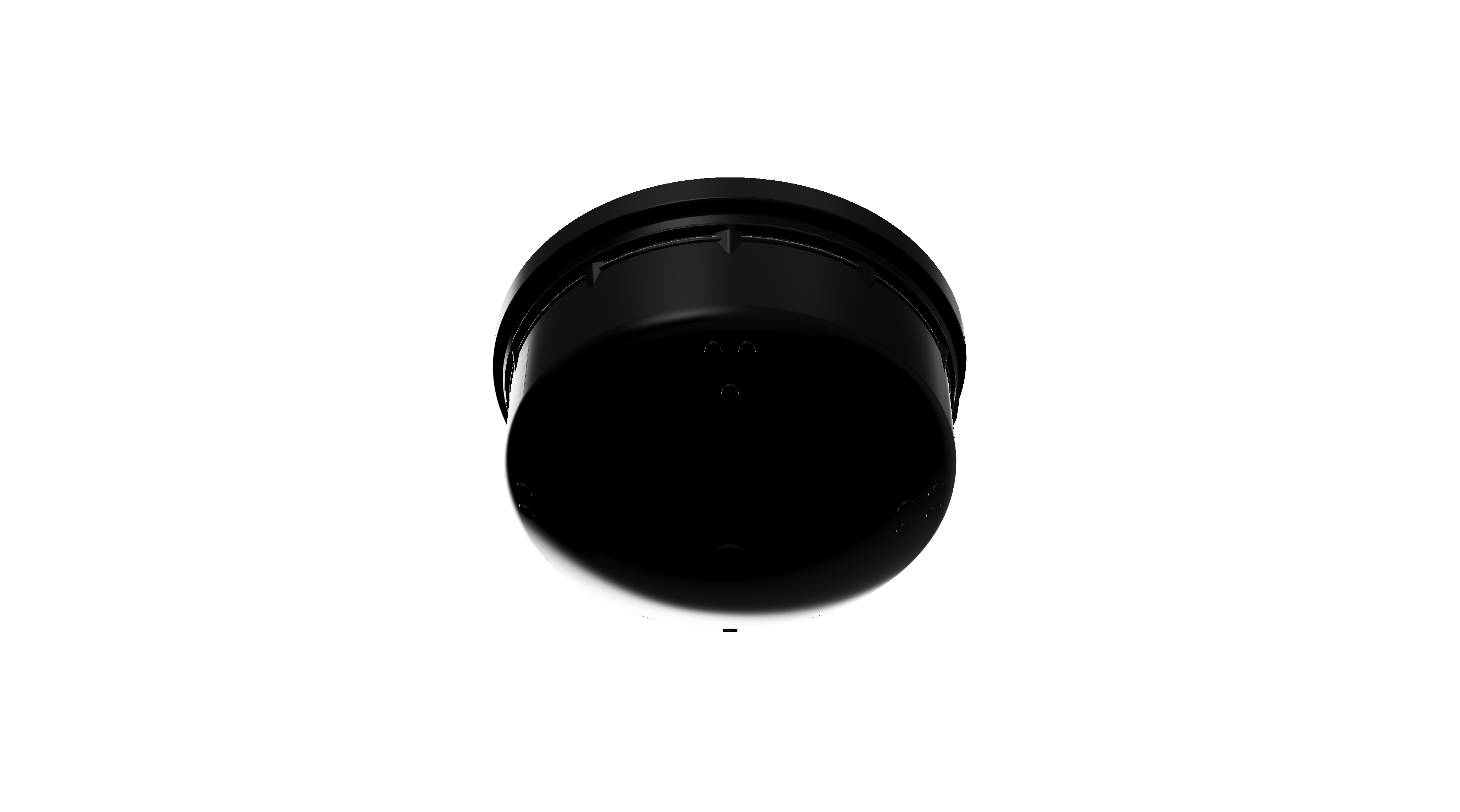
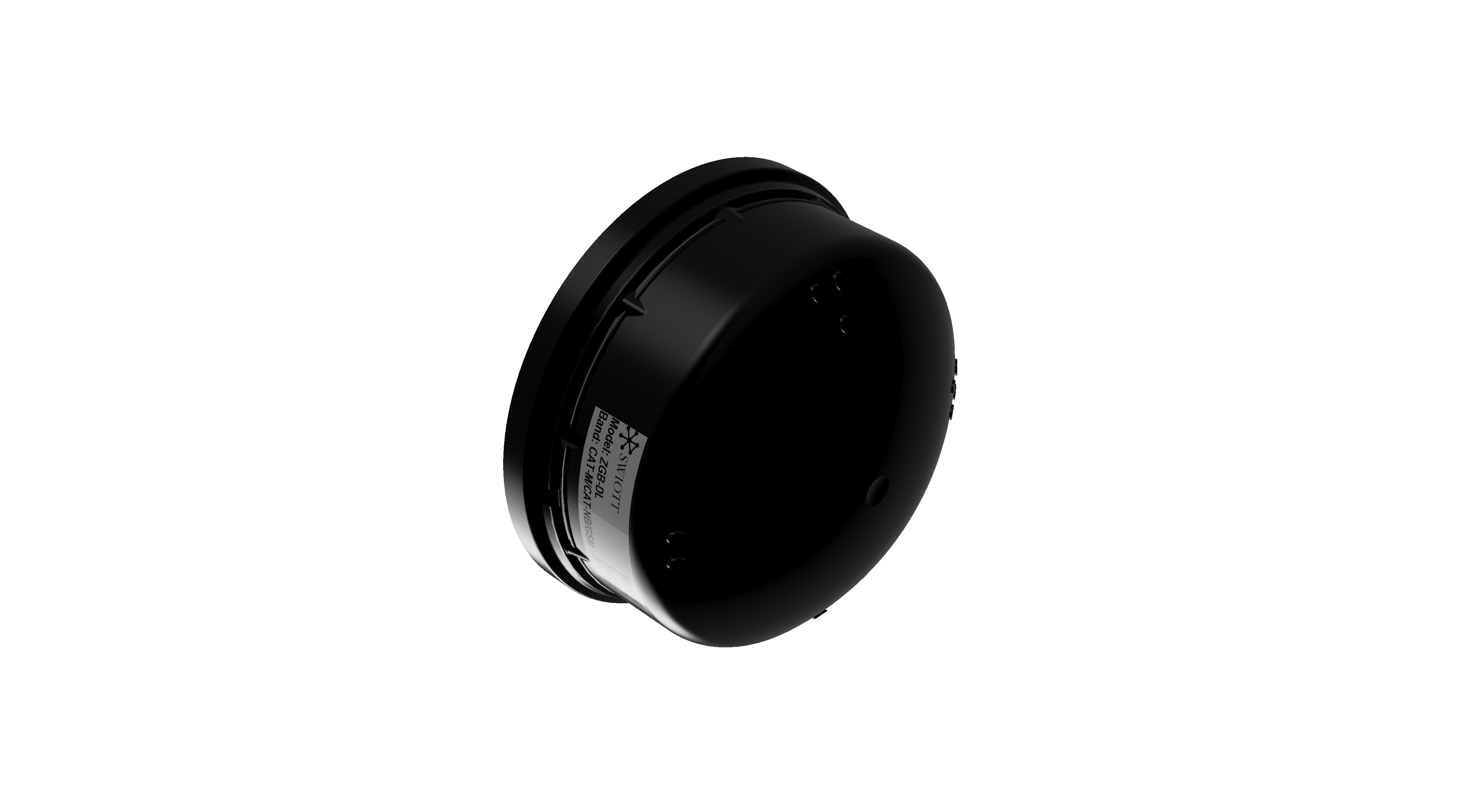
A plug-and-play Zhaga Book 18 node that reports over NB-IoT, 4G or GSM and dims legacy drivers by 0-10V, so a council can prove one pole before buying the next batch.
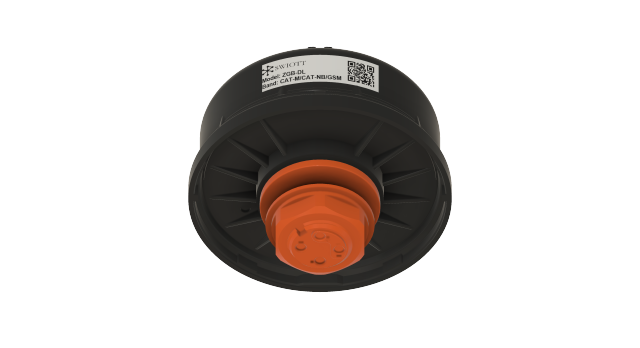
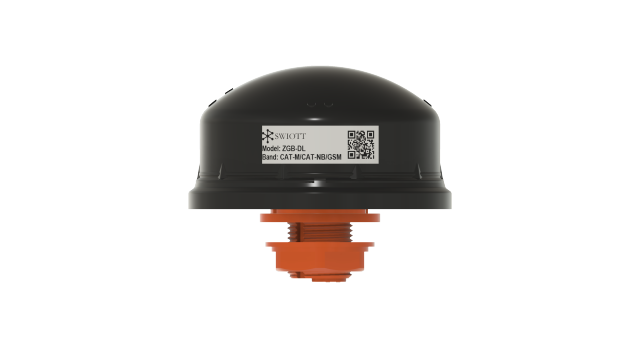
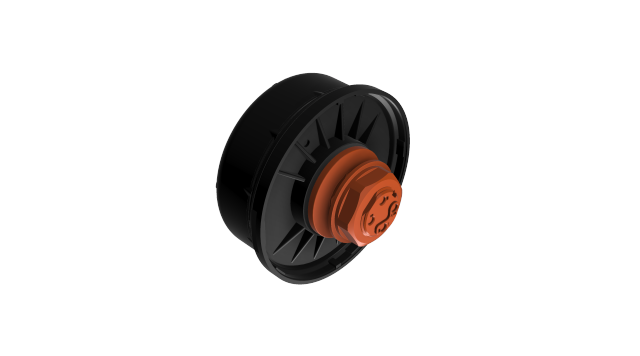
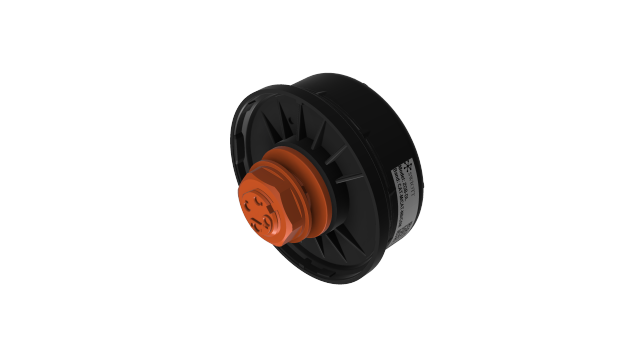
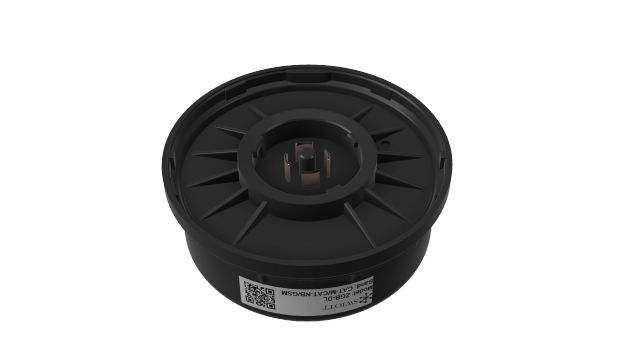
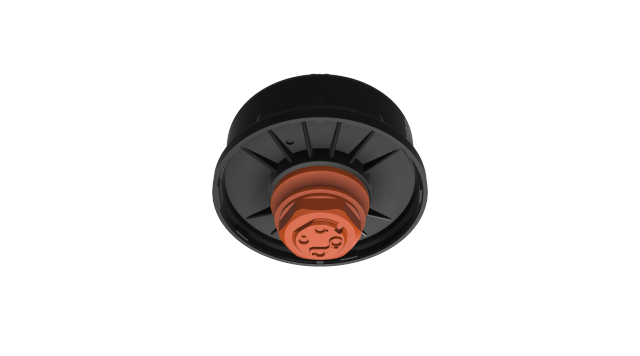
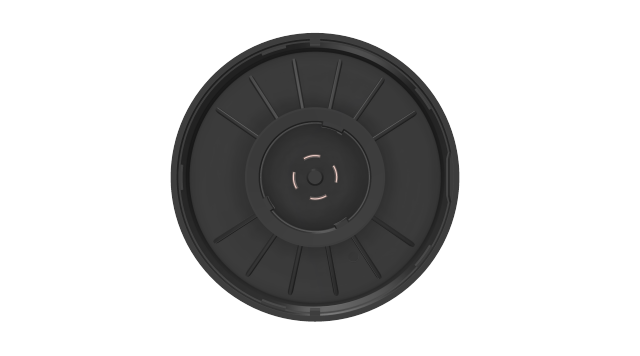

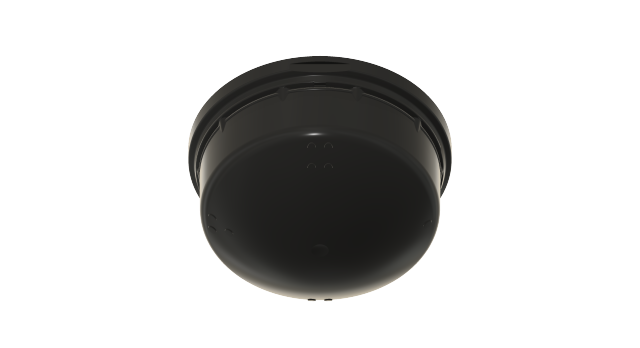
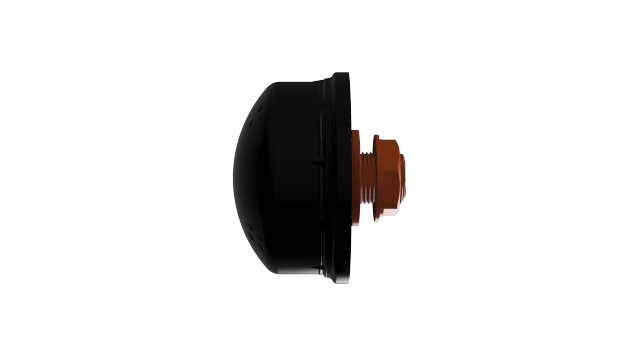
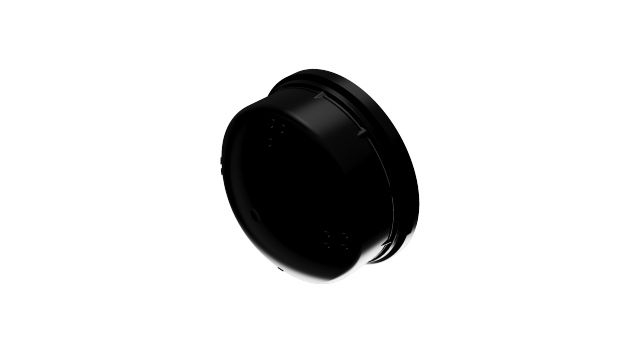
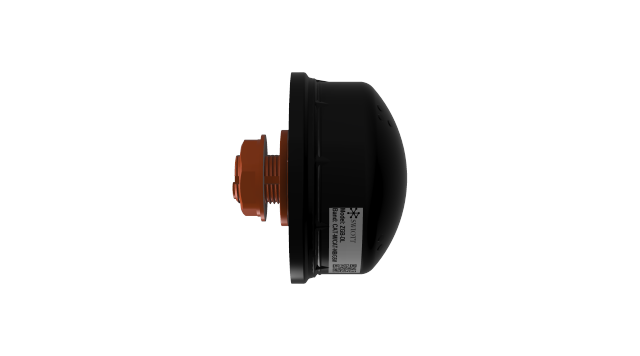
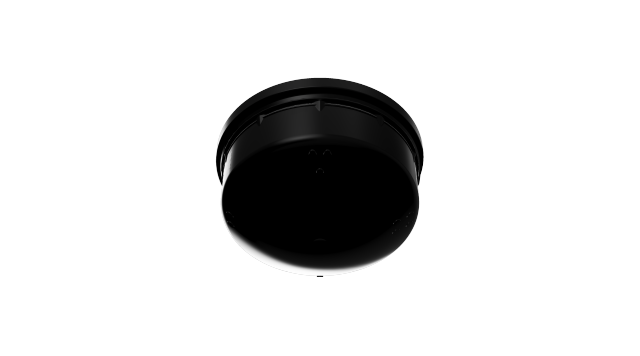
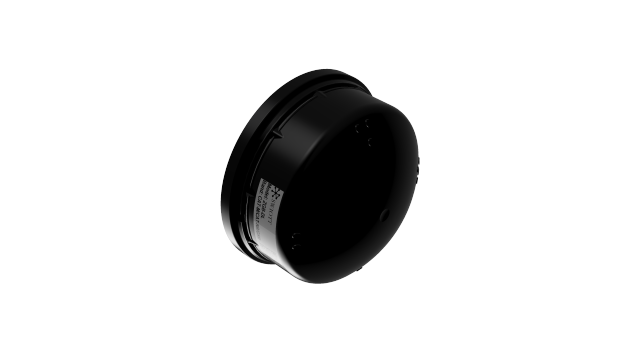
A council with forty villages and no fibre does not need a gateway; it needs a socket and a SIM. The ZGB-10-M is built for that reality. Plug and play street lighting starts with a single pole: a cellular street light controller reports over the public mobile network from the first fitting, and the operator can prove the saving before committing to a second batch. Density is low, distances are long, and no private infrastructure has to be built.
Alerts are the point of the deployment: lamp burnout, pole tilt and leakage raise a ticket with the pole identity attached, so a rural road lighting control team of two can cover a district. Consumption is reported pole by pole, which turns an unbilled asset into a budget line with evidence behind it. The node idles below 0.5 W, draws 1.4 W while monitoring, tolerates 10 KV surges, and is lab tested to 80,000 hours. Full parameter details are provided in the specification table below.
Rural and suburban roads, small towns and market streets, farm access roads, industrial perimeter roads, highway rest areas and park-and-ride car parks — anywhere a 0-10V street light controller has to work without a network build.
It carries CE and RoHS, meets the Zhaga Book 18 controller specification for socket fit and pin-out, and ships in an IP66 UV-resistant polycarbonate housing for exposed positions.
SWIOTT builds lighting control hardware for municipal and industrial buyers. A smart street light controller pilot of five poles is enough to prove the model: one-piece MOQ, three-year comprehensive warranty, OEM/ODM support and 50,000 units per month at scale. Send your pole list and coverage map, and we will size the first batch.